Repertoire
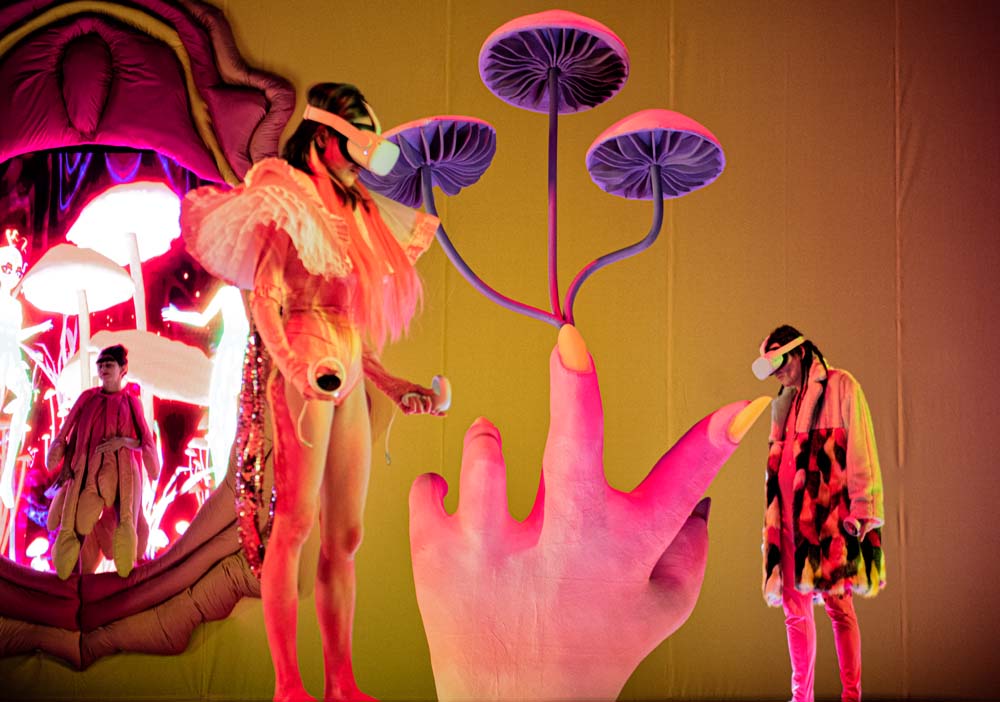
A Midsummer Night’s Dream
Dir. Krzysztof Garbaczewski
ul. Jagiellońska 1
Premiere
date
2022
When we play
- 18.02
2022 - 19.02
2022 - 20.02
2022 - 22.02
2022 - 26.03
2022 - 27.03
2022 - 27.03
2022 - 29.03
2022 - 06.05
2022 - 07.05
2022 - 07.05
2022 - 08.05
2022 - 21.10
2022 - 22.10
2022 - 23.10
2022 - 06.01
2023 - 07.01
2023 - 08.01
2023 - 27.04
2023 - 28.04
2023 - 29.04
2023 - 13.01
2024 - 14.01
2024 - 27.06
2025 - 28.06
2025 - 29.06
2025
Duration
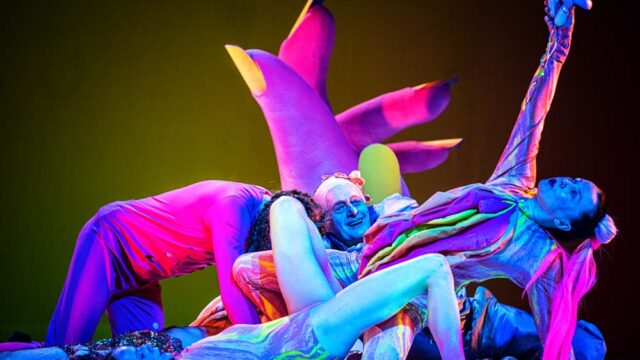
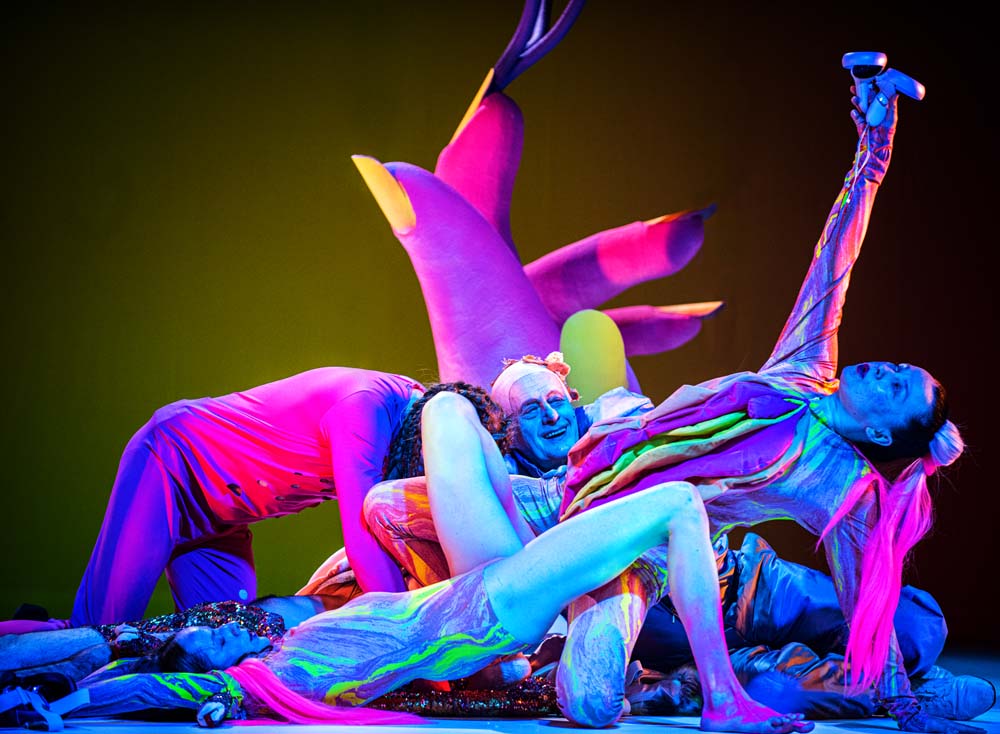
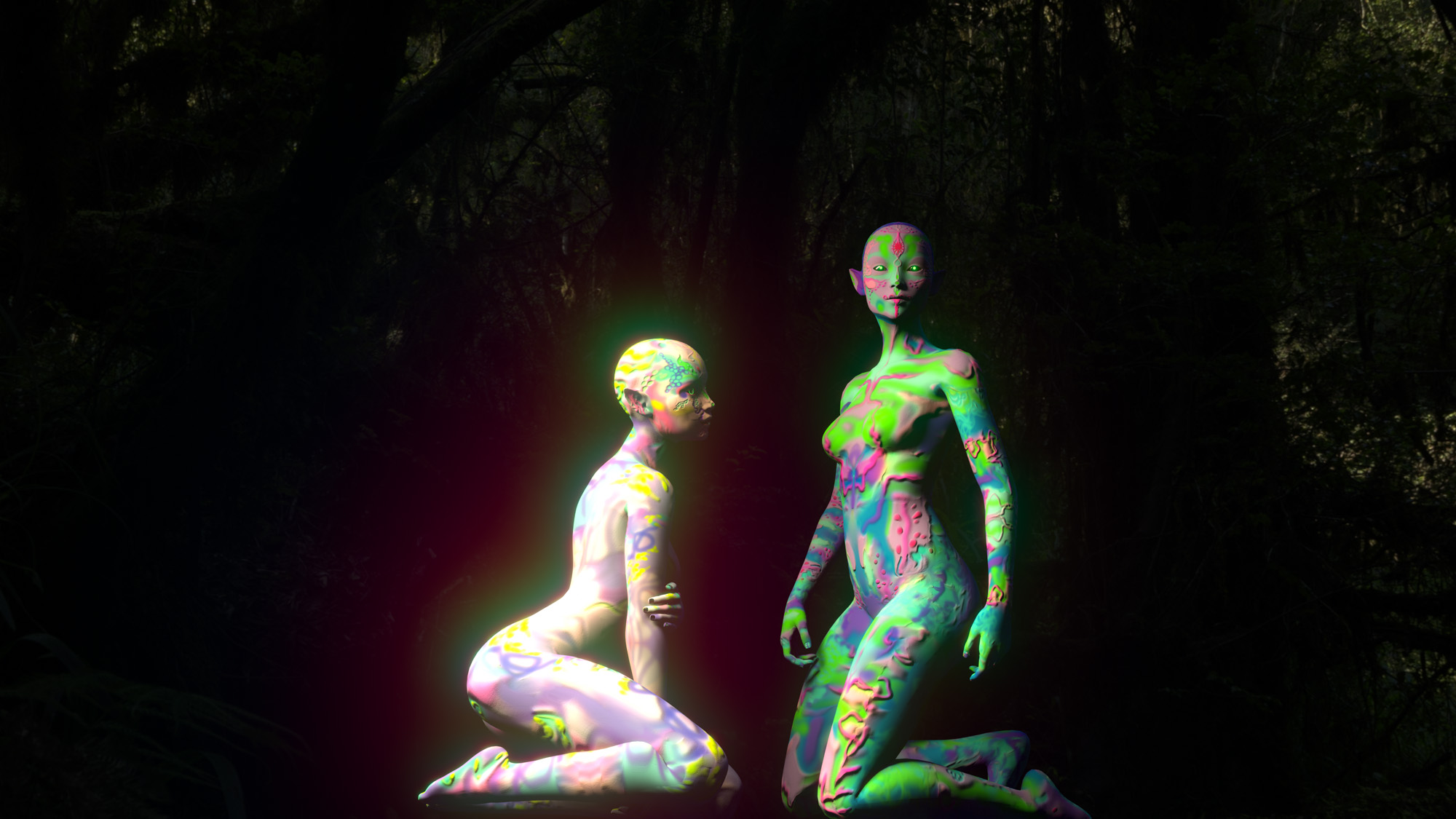
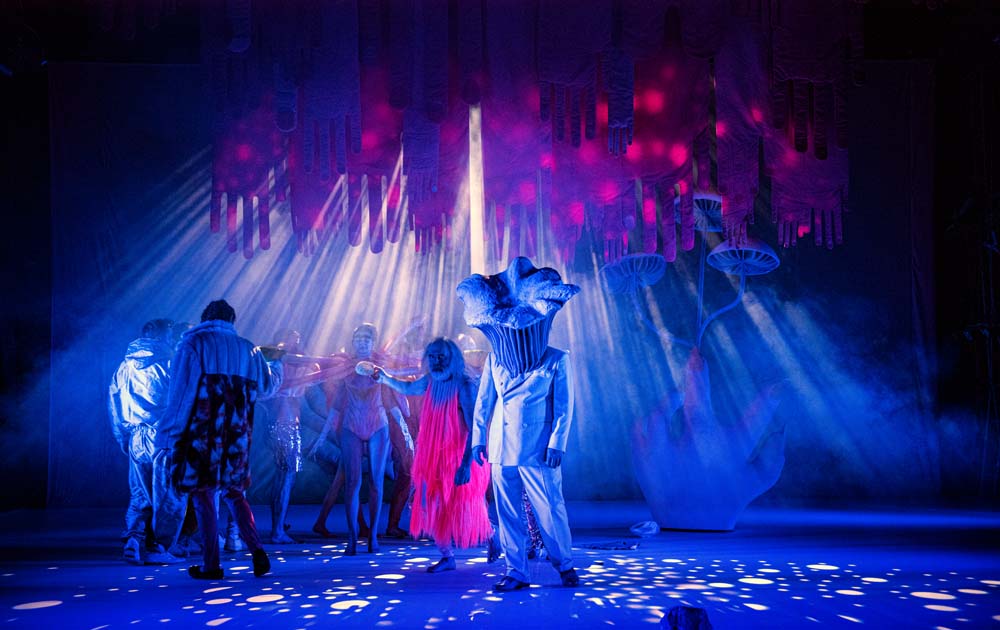
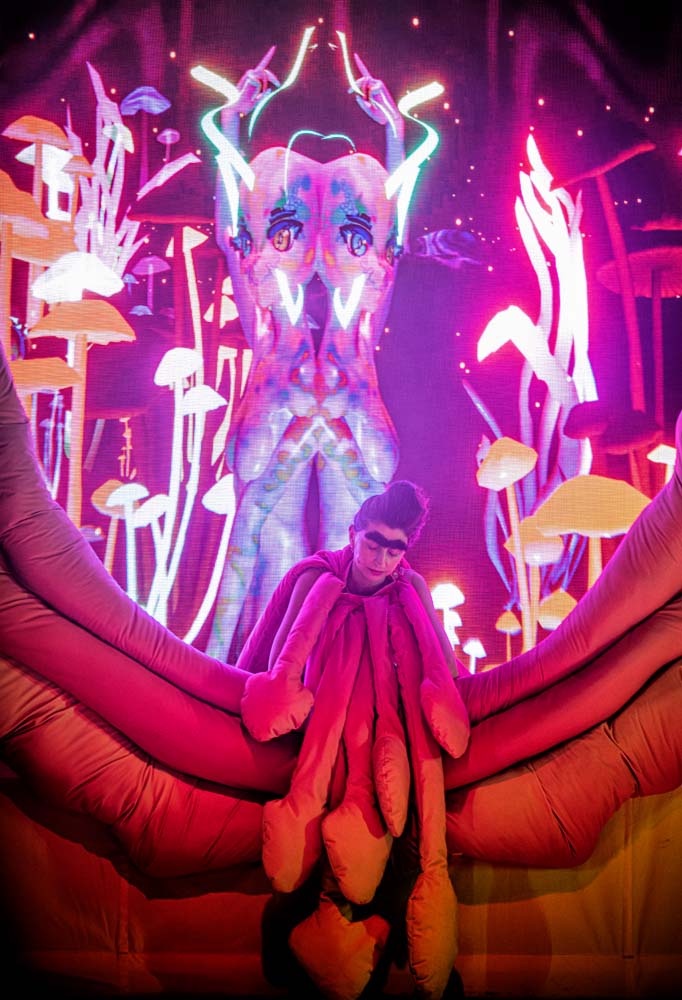
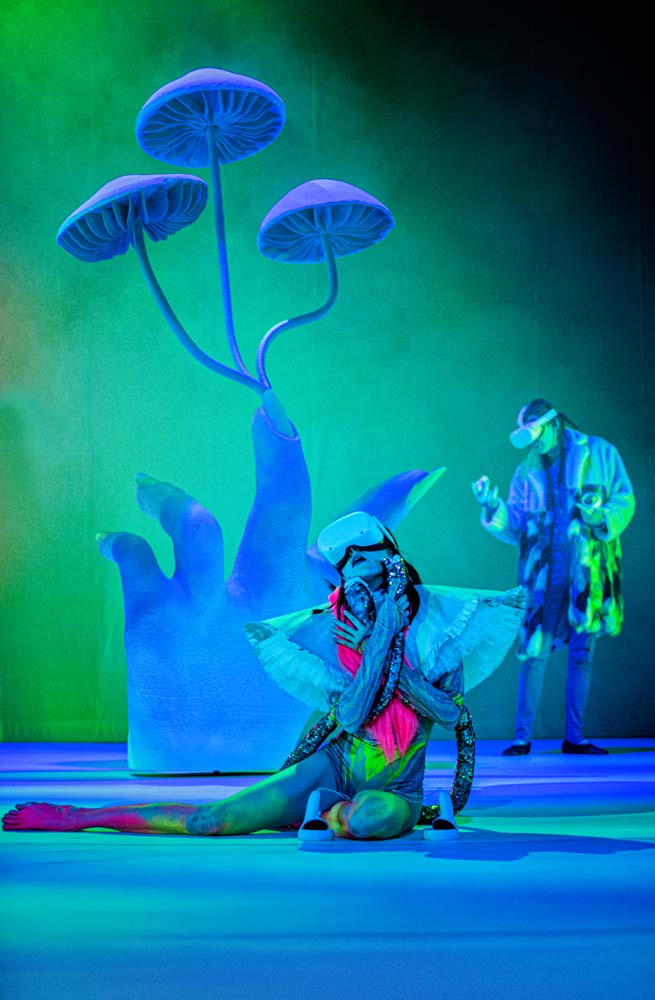
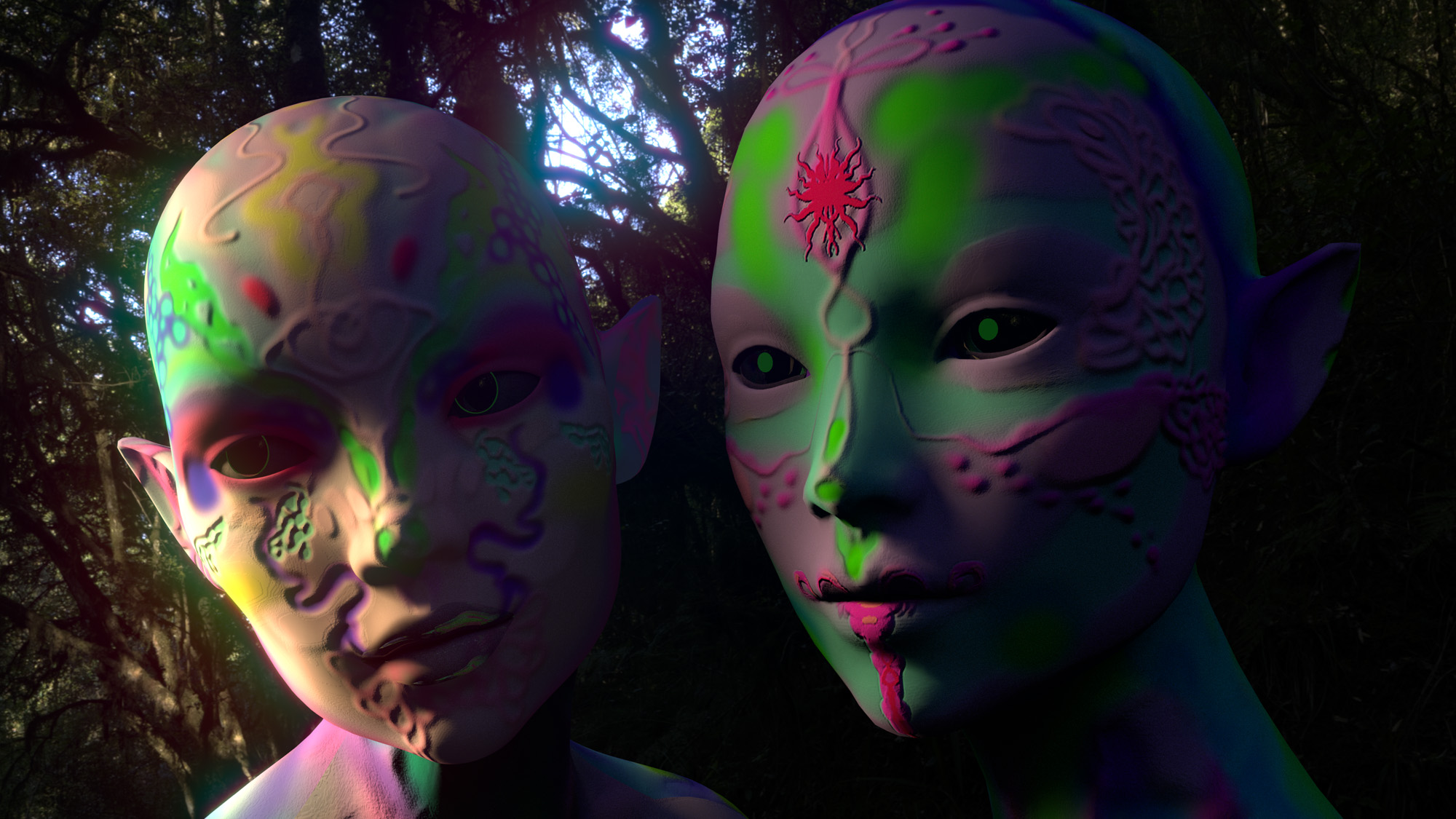
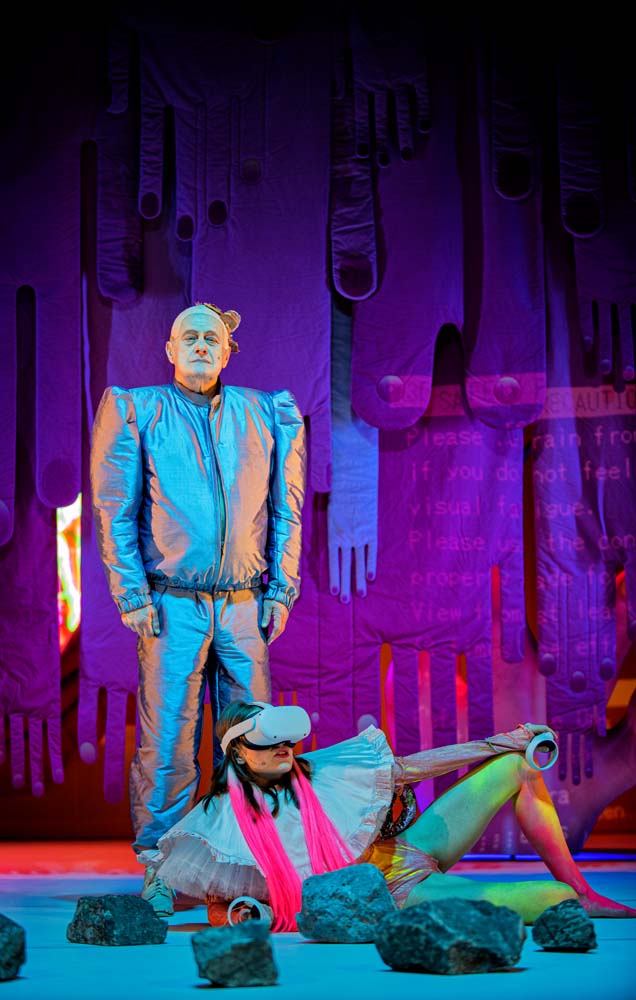
When Narcissus stared into the surface of the water he saw his own face. Perhaps the depths which he saw past his reflection were the reason for his punishment (or reward)—his Metamorphosis. Erich Fromm saw the condition of the modern man in the myth of Narcissus: “Although from an external viewpoint it seems that Narcissus is boundlessly in love with himself, in reality he feels no affection for himself, and his narcissism—like selfishness—is an overcompensation for the basic lack of self-love.” In Krzysztof Garbaczewski’s staging of “A Midsummer Night’s Dream,” the creation of the fantastical world and its protagonists—Oberon, Titania, Puck—comes through virtual reality technology, playing with the physical gulf between the user (the actor) and the buggy avatar. In a world of simulacra, of imitations, reflections, or imaginings, art becomes a reality of the highest order. In the space of art we can articulate the virtual as a relationship occurring in the world. Perhaps it also holds a way of altering the prevailing norms and models, pointing toward the new and creative. In their interpretation of Shakespeare’s drama, the creators of the play take a page from Gilles Deleuze: “The Deleuzian difference is the event of the meeting with the Other, without which all discourse of the Other is impossible. This encounter with the Other, staring into their unfamiliar face, is a shattering and traumatic experience, it is an apocalypse. Yet it need not signify an end. Salvation is possible, and is guaranteed by a Metamorphosis.” Reflections on Metamorphosis in “A Midsummer Night’s Dream” also address social, personal, aesthetic, ecological, and technological issues. The dream dreamed during these four summer days and nights is a vision of a utopia, of a world of social emancipation, one where everybody, linked by mycelium like a primitive Internet, undergo Metamorphoses. It is also a critical reflection upon the present state of things, one that remains outside political pragmatism, and is thus dangerous to the powers-that-be and their opposing forces. Is this really a dream? Can you believe in it? And are you certain it is you who’s dreaming
Cast
- Bogdan Brzyski Flute
- Maciej Charyton Lysander
- Małgorzata Gałkowska Hippolyta
- Roman Gancarczyk Puck
- Grzegorz Grabowski Quince
- Bolesław Brzozowski Egeus
- Paweł Kruszelnicki Oberon
- Mikołaj Kubacki Theseus
- Marta Ojrzyńska (a quest actress), Magda Grąziowska Titania*
- Błażej Peszek Bottom
- Małgorzata Zawadzka Helena
- Krzysztof Zawadzki Demetrius
- Maja Pankiewicz, Aleksandra Nowosadko-Wrońska Hermia*
- * Doubling roles
Creators
- Stanisław Barańczak Translation
- Krzysztof Garbaczewski Director
- Patrycja Wysokińska Script, dramaturge
- Aleksandra Wasilkowska Scenographer and costumes
- Bartosz Zaskórski Music
- Tomasz Bazan Choreographer
- Robert Mleczko Lighting director/video coordinator
- Anastasia Vorobiova, Mateusz Korsak VR
- Katarzyna Gaweł Stage manager/prompter: